
Most Popular Articles
-
-
The King Is Back: Nokia Reveals Their First Android Phone: The Nokia 6 | Technology
If you’ve been waiting for the king to make a comeback, it’s your lucky day – HMD Global, the company that own the global licensing rights for Nokia’s brand name has officially announced the Nokia 6, their first ever Android-powered smartphone.
Nokia 6 specs
- Qualcomm Snapdragon 430 octa-core processor
- Adreno 505 GPU
- 5.5-inch full HD display, 2.5D glass, 1920 x 1080 resolution
- 4GB RAM
- 64GB internal storage expandable storage up to 128GB via microSD
- 16-megapixel rear camera, f/2.0 aperture, PDAF, Laser AF, flash
- 8-megapixel front camera, f/2.0 aperture
- Dual SIM
- 3G, LTE
- WiFi, Bluetooth, GPS, A-GPS, Fingerprint scanner
- 3000mAh battery with fast charging
- Android 7.0 Nougat
Curiously the phone is of the mid-range variety, packing a Snapdragon 430 chipset along with a 5.5-inch, full HD, 2.5D display. There’s 4GB of RAM on board, along with 64GB of storage. The 3000mAh battery is quickly replenished by QuickCharge 3.0. The rear camera is a 16-megapixel unit with f/2.0 aperture, PDAF and laser AF while the front camera is a 8-megapixel unit with an f/2.0 aperture.
Read more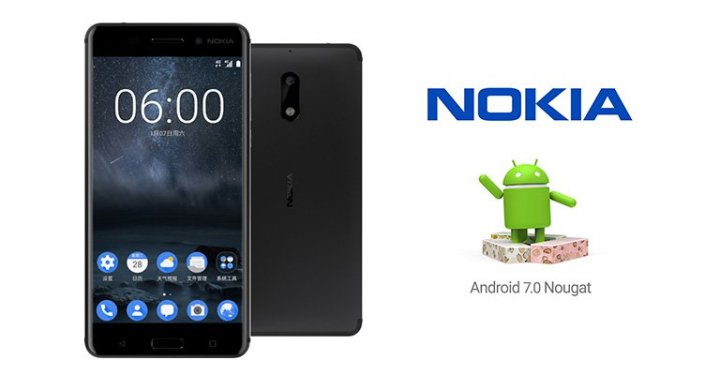
-
Drop Cap Effect Style First Letter - CSS3
Educational material for web developers : You can learn now how to style the first letter of your paragraphs by using CSS3 techniques brought to you by TUTVIDS
Read more
-
Ethiopian woman killed in Atlanta by her Nigerian boyfriend
It happens last night, May 2 in the place she live with. An Ethiopian girl , Betty Sinshaw died of a gun shot by her room mate and apparently, her Boy Friend – A Nigerian man. The man also killed himself.
Betty was 28 years old and a mother of an 8 years old Son. A funeral arrangement is still not decided yet. The family, though, needs your support to cover the cost. She lost her mom for Cancer last year and her dad few years back. Please help if you can. Her families address is 3204 Sunrise village Apt. E, Norcross, Ga 30093. If you want to call them, please inbox us for the phone number….
This is not a good week for Ethiopians in Atlanta, as another Ethiopian man, Feyessa Tadesse, took his life yesterday. He also has no families here. R.I.P both.
Read more
-
15 Health Benefits of Eating Apples
In 2004, USDA scientists investigated over 100 foods to measure their antioxidant concentration per serving size. Two apples—Red Delicious and Granny Smith—ranked 12th and 13th respectively. Antioxidants are disease-fighting compounds. Scientists believe these compounds help prevent and repair oxidation damage that happens during normal cell activity. Apples are also full of a fibre called pectin—a medium-sized apple contains about 4 grams of fibre. Pectin is classed as a soluble, fermentable and viscous fibre, a combination that gives it a huge list of health benefits.
Read more

Latest Articles
-

The New Era of EphremTube is Here | 2026
Dear Fans, Today, we are taking a massive leap forward. It has been a long journey, and we are incredibly excited to welcome... -
List of top television networks in Ethiopia
የቴሌቪዥን ቻናሎች ★ኢትዮጵያዊ/ሀገር ውስጥ / ☞Kana Tv (12226 H 27500)ው☞ EBS (11595 v 27500)☞ Nahoo (11595 v 27500)☞ Jtv Ethiopia (11595 v... -

Where software development is headed in 2022
From front-end JavaScript innovations to APIs as a service, today’s major trends in tools, technologies, and the cloud... -

Microsoft retires Internet Explorer after 27 years
Microsoft is finally retiring the consumer version of Internet Explorer. It announced the plan last year, making Internet... -

Scientists Are Building the Ultimate Milky Way Map. Here's What They Have So Far
Peruse strange starquake sightings, cosmic DNA secrets, all of our solar system's asteroids and so much more. Beyond the realm...